

Gamification in the Classroom – Benefits & Strategies for Better Learning
Discover how gamification is transforming education! 🎮📚 From earning rewards to interactive challenges, see how game elements boost engagement, retention, and motivation in learning.

Image from StockCake
Benefits of Gamification in Education
“Level up! You’ve just completed Module 1 and earned 50 points!”
Imagine if studying felt as engaging as playing your favorite video game. 🎮 What if learning wasn’t just about memorizing facts but earning rewards, unlocking achievements, and competing with friends? That’s exactly what gamification does!
Gamification is the use of game-like elements (points, badges, leaderboards, and challenges) in non-gaming activities like education. And guess what? It’s revolutionizing the way we learn! Here’s how it works and why it’s changing education forever.
1. Makes Learning More Engaging 🎯

Let’s face it—traditional learning can sometimes be boring. Gamification adds excitement with interactive elements like:
✅ Quizzes with rewards 🎉
✅ Progress bars 📊 (showing how close you are to completing a module)
✅ Badges for achievements 🏅
Why it works: These features increase motivation, making students want to keep learning.
2. Encourages Healthy Competition 🏆

Competition can drive people to do better. Gamified learning platforms often use:
✅ Leaderboards – Rank students based on performance
✅ Challenges – Encourage students to outdo themselves
✅ Time-based quizzes – Boost speed and accuracy
Why it works: A little competition makes learning fun and goal-oriented!
3. Provides Instant Feedback 🚀

Traditional learning often leaves students waiting for grades. Gamification, on the other hand, gives instant feedback through:
✅ Real-time quiz results 📊
✅ Encouraging messages (“Great job! Try again to beat your high score!”)
✅ Adaptive learning paths (adjusting lessons based on performance)
Why it works: Immediate feedback helps students improve faster and stay engaged.
4. Boosts Retention & Understanding 🧠

Did you know we remember better when we actively engage? Gamification reinforces learning by:
✅ Using repetition cleverly (earning rewards for reviewing material)
✅ Applying knowledge in challenges (practical application improves memory)
✅ Breaking lessons into levels (small, digestible chunks are easier to remember)
Why it works: Active engagement strengthens long-term memory.
5. Encourages Self-Paced Learning ⏳
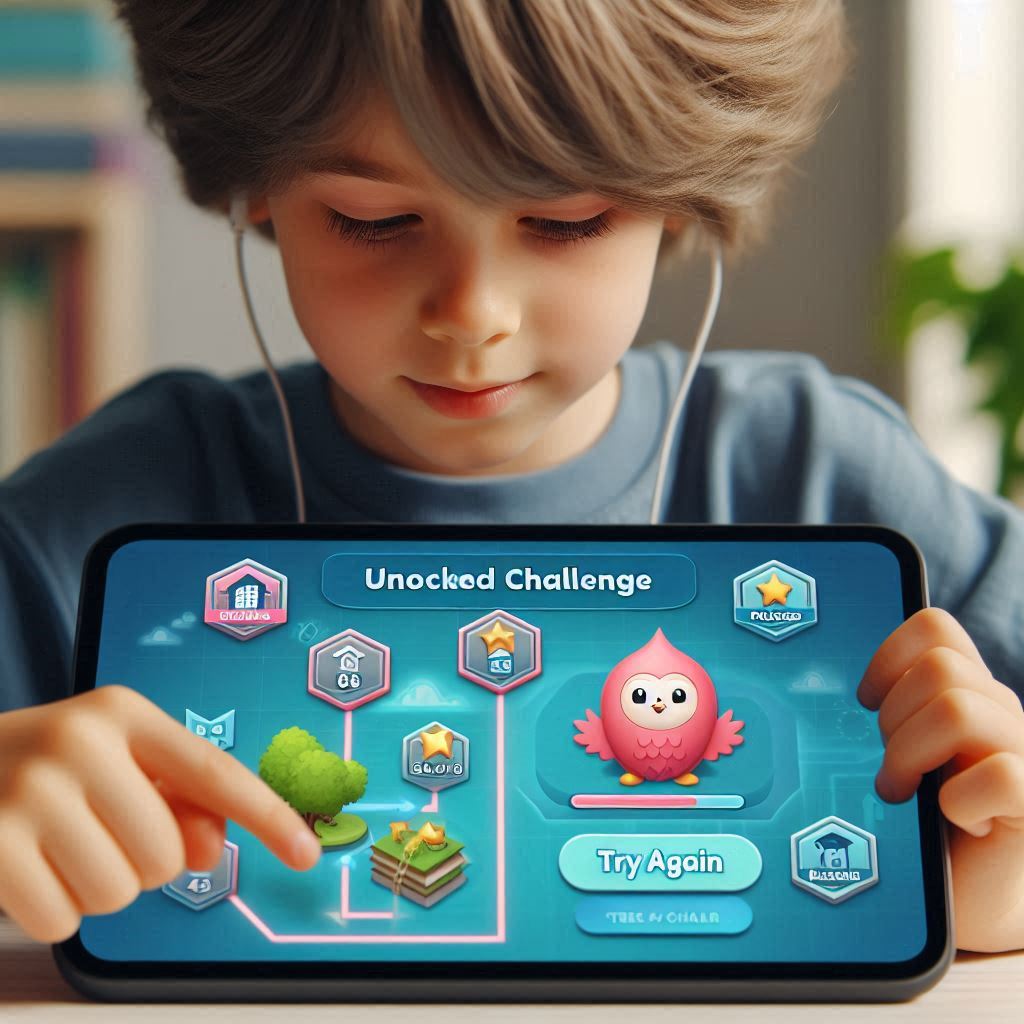
Not every student learns at the same speed. Gamified education allows learners to progress at their own pace through:
✅ Unlockable levels – Students move forward when ready
✅ Personalized challenges – Based on skill level
✅ No-pressure retries – Learning from mistakes
Why it works: Students gain confidence by mastering concepts at their own speed.
6. Increases Student Motivation 🔥

Ever stayed up late playing a game just to beat a level? Gamification triggers the same motivation by:
✅ Giving rewards (badges, certificates, bonus points)
✅ Creating engaging storylines (e.g., “Save the planet by solving these math problems!”)
✅ Setting goals with progress tracking
Why it works: A sense of achievement keeps learners pushing forward.
7. Prepares Students for the Future 🌍

Gamification isn’t just for school—it teaches skills useful in real life, such as:
✅ Problem-solving 🧩
✅ Critical thinking 🤔
✅ Decision-making under pressure ⏳
Why it works: Learning through games helps students apply knowledge in real-world scenarios.
Final Thoughts
Gamification is transforming education, making learning more interactive, engaging, and effective. Whether you’re a student, teacher, or lifelong learner, using game elements in education can boost motivation, improve retention, and make studying fun.
💡 Would you prefer gamified learning over traditional methods? Let’s chat in the comments!
Up next: Should Kids Use Tech in Learning? Stay tuned!


